A fad or the future: the rise of consultancy companies in football
The hiring of external expertise has become increasingly common in football, but why is that and will this trend continue?
“I first heard about Stuart Webber’s involvement in the club probably a good three months after he joined,” says Plymouth Argyle supporter and podcaster Sam Down. “Somebody, who let’s say is a little bit in the know from Argyle who I chat to occasionally tipped me saying ‘Did you know anything about the acting director of football was in the director’s box for the Coventry game?’ To which my response was I didn’t know we had one. He didn’t give me a name, but I did a bit of digging and later found out that person was Stuart Webber. It then later became clear that it wasn’t just Stuart Webber in an individual capacity, although to all intents and purposes it was that. It was Stuart Webber as part of his consultancy firm.”
Consultancy firms are on the rise in football. Clubs are often turning to outside expertise in a range of capacities to gain a competitive edge over their opponents. This can range from recruitment to the financial aspects of the club. At the heart of this rise, is the data boom in football over the last 10-15 years.
When fans hare about outside companies running parts of their club, it often brings confusion and an element of hesitation. But this hesitation is often due to either a lack of transparency by the club about their role, or a lack of information about what consultancy companies do.
What do football consultancy companies do?
As previously mentioned, football consultancies can be brought into clubs for a variety of reasons to help in different capacities whether it be recruiting a new head coach or negotiating a contract. Alex Stewart is the CEO of Analytics FC, a “data-driven sports consultancy” which has worked with the likes of Bayern Munich, AC Milan and Rangers in a range of different capacities.
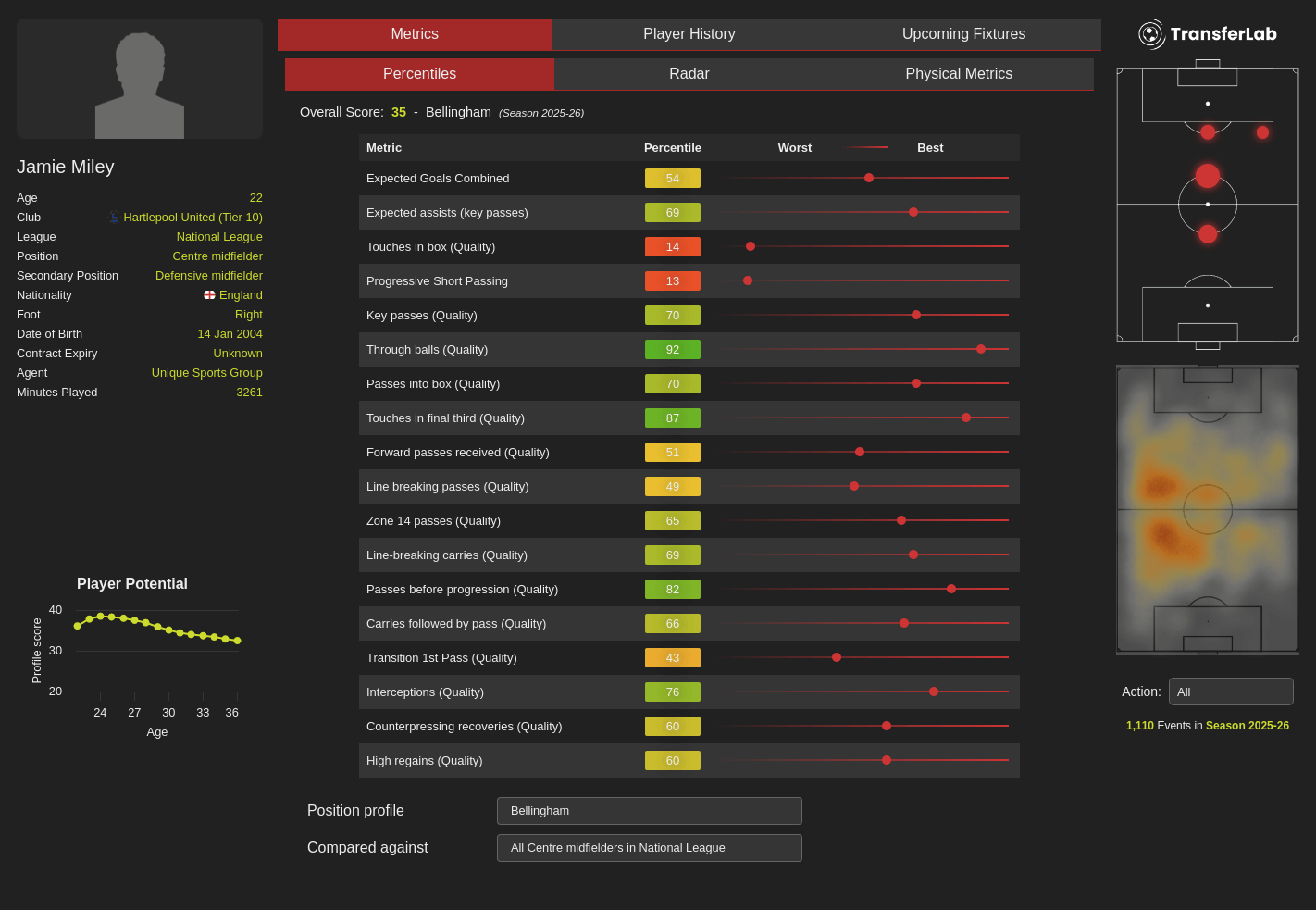
“We’ve got four main areas that we work in. We have a scouting platform which is called Transfer Lab. It’s got a very strong player quality assessment algorithm. We have a product called Coach ID which is where we help clubs use data to find head coaches. So, we assess head coaches on their playing style, but also their impact and then other criteria. Are they good with young players? Do they develop players for trading? We also have a service called Signature, where we worked with players to help them on their contract negotiations using data. The most recent of those was Myles Lewis-Skelly and the first one was Kevin De Bruyne. And we also work in the kind of acquisition space, so we do research projects for either people who’d like to buy football clubs or people or people who just bought one and want to know what their squad quality is like and any kind of data in football where data can be a significant component.”
Why don’t football club’s do all their work internally?
Some football clubs build their data models in-house. An example of this is Liverpool who have been very successful using data in their recruitment. So why don’t all clubs do it?
Gian Marco Campagnolo is a professor at the University of Edinburgh as well as the programme director of the data analyst programme for the Italian FA and he explains: “The reason is a lack of know-how. Essentially, in the football industry, the idea was ‘what do we need to run a club? We need to have coaches,’ so the Football Association are training coaches or sporting directors or scouts. But what’s a sporting director or a scout? It’s a former player that knows about football because he’s been a player and you use the eye test and you recognise immediately a player. So, there hasn’t been an organic commitment in the football industry to develop profiles that can use data, understand, interpret and return and communicate data in an effective manner.”
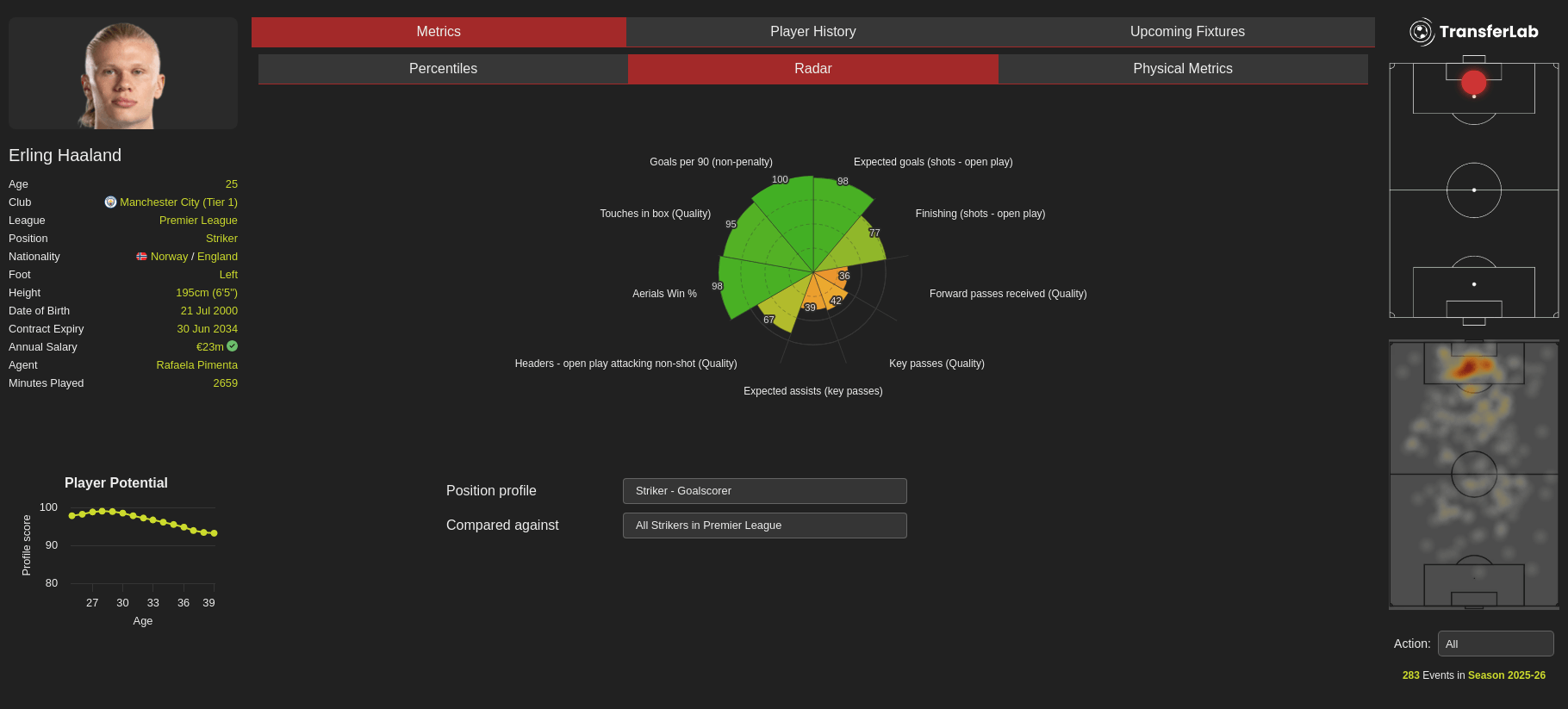
Another reason football clubs continue to outsource is due to finances. Employing data scientists and developing software comes at a cost as well as taking time, making it more favourable for teams with lesser budgets to outsource.
“Initially, Tottenham and Arsenal integrated these eternal companies. They bought them to create their own internal capabilities. Not a lot of clubs can do that so that is why you have to rely on external resources.”
What is the future of consultancy companies?
Data in football doesn’t look like it will be going away anytime soon. According to openpr.com, the global football sports analytic market is expected to have a compound annual growth rate of 12.9% between now and 2034. Undoubtedly, between now and then, data in football as well as the way it’s interpreted will change and the role that consultancy companies will play in that future, remains to be seen.
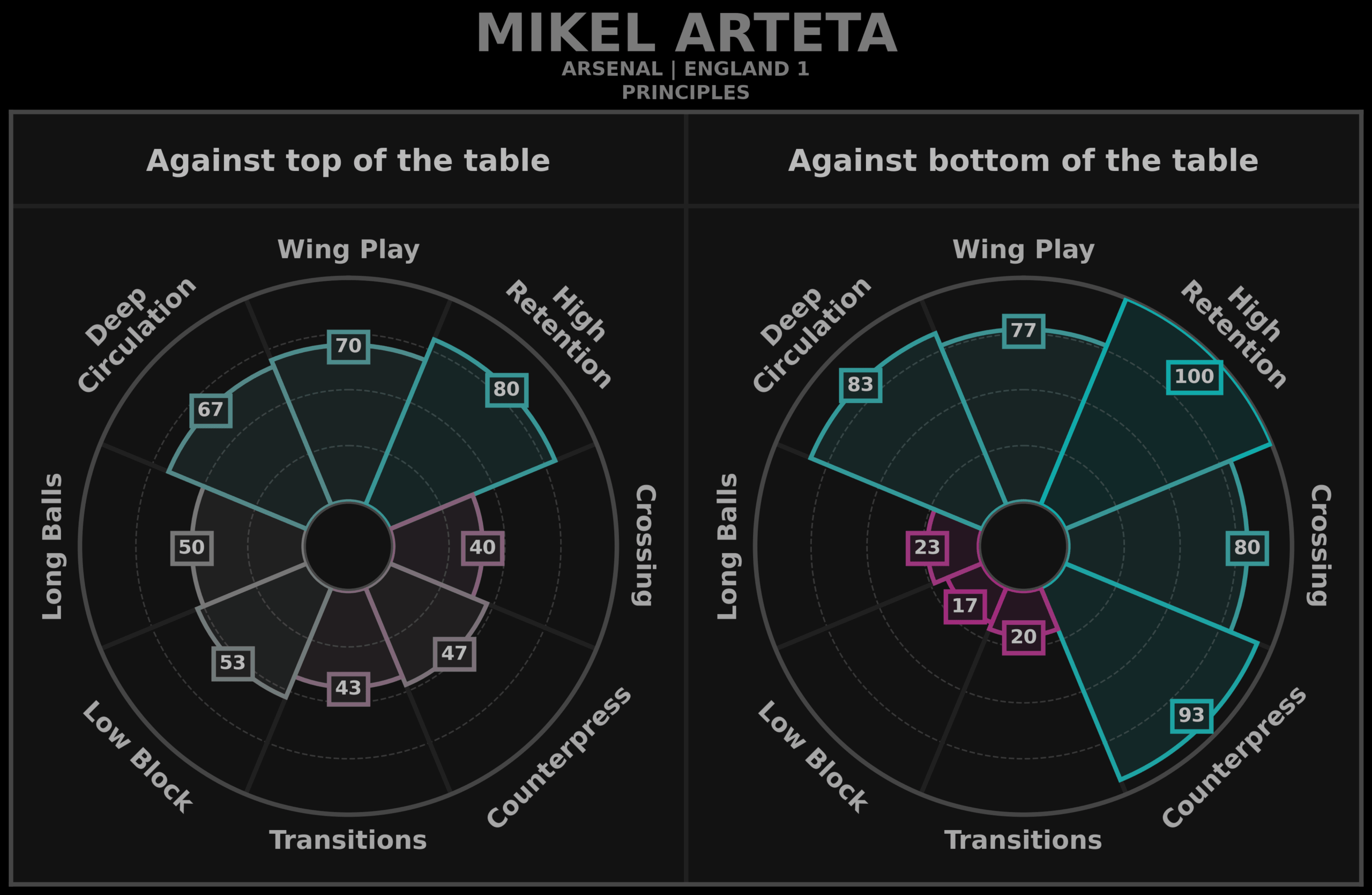
“I think consultancies will continue to provide the analytical stuff, but I suspect a branch of it will become more assessing what a club is doing internally and advising them, much like actual consultants do in other spaces,” says Stewart.
“I also think that clubs will increasingly, probably look to work with consultancies across muti-club groups and get that idea of not just ‘can you help our club? But because we’re building a chain of clubs what we really need is a strategy for implementing things across three or four clubs in a group.’”
According to Campagnolo, it’s also possible that there could be a decline in consultancies.
“The consultancy ecosystem, which is currently oversized with hundreds of companies, will shrink over time. I don’t know how long the process will take.”
He continues: “For example, the Italian Football Association decided to develop a programme to train data analysts. So, these data analysts are going to work in clubs, and the clubs will acquire the know-how and the capability to develop their own solutions internally.”
Conclusion
It’s clear that in today’s world, football is dominated by data, and consultancy companies are doing a lot of work to support clubs, especially ones that don’t have the capability or financial power to develop their own data models. Although their work is mainly behind closed doors, the more data continues to shape the game the more football fans will need to be informed of their work. As for the future of consultancies, that’s anyone’s guess. Nobody knows what football will look like in the future and that’s why we love the beautiful game.