
‘Sunderland Til I Die’ – and Why That Matters
Sunderland AFC has long been a football club centred around its community and sense of pride football is a source of unrivalled joy for many; however, the effects of the crippling lows are rarely preached.
Through conversations with fans, support groups and radio commentators, this feature, as part of mental health week, highlights what many fans go through and how they are helped. 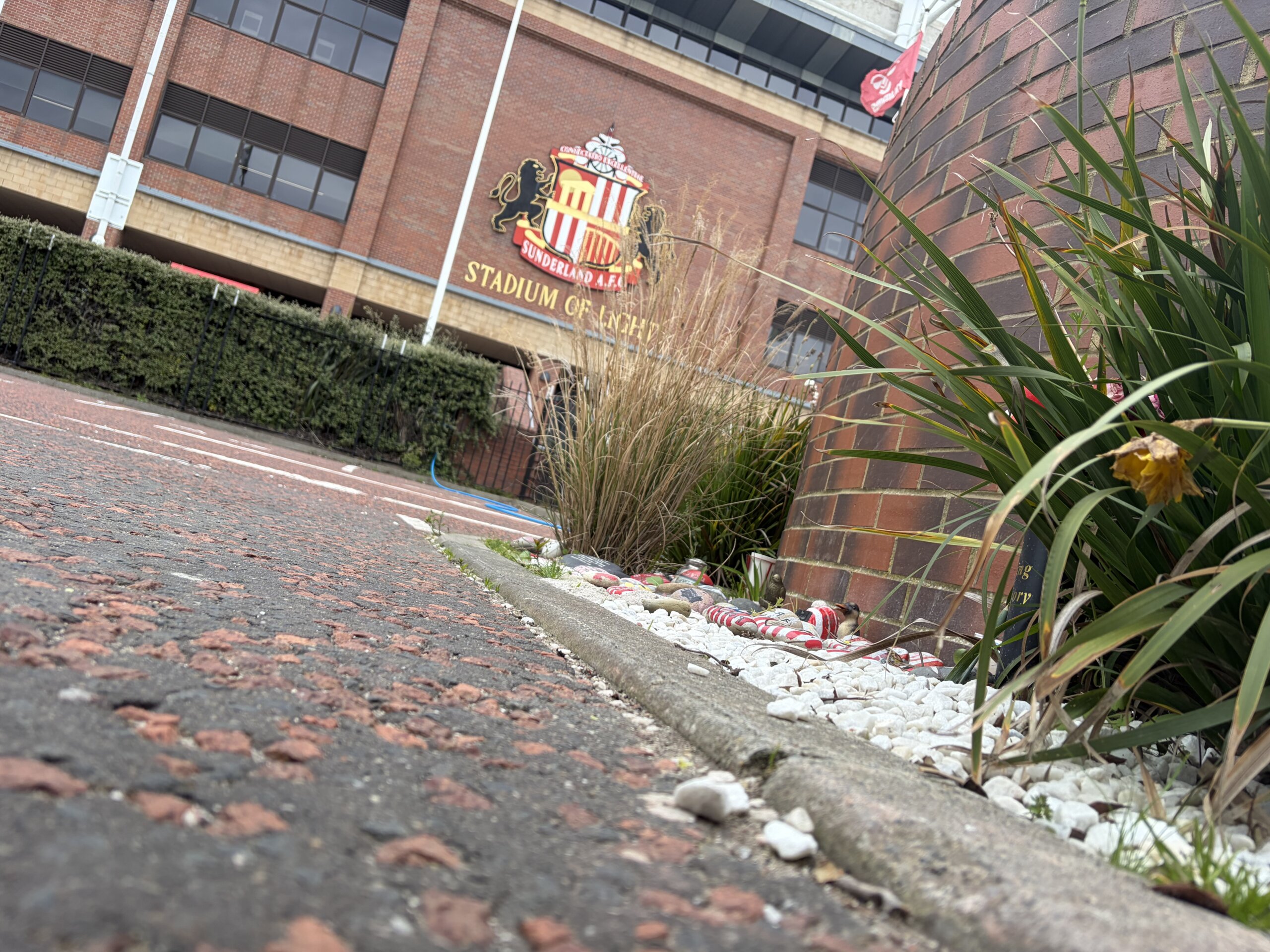
Every match-going supporter has their matchday routine set in stone, whether that be meeting with friends for a pre-match pint, or a visit to the SAFC Heaven Branch’s memorial garden on the doorstep of The Stadium of Light. Lifelong Sunderland fan, Simon Stothard, explained: “Every weekend is made up around where am I watching the football, what am I doing when the football is on, what time are they kicking off.
“You’ve got traditions. Me, my nephew and his dad will go to the match, pre-game we’ll have a couple of pints and watch the footy. I feel more connected to them through going to the match.”
Football gives you a sense of belonging and a routine, many supporters would feel lost if that routine was to be stripped from them, as seen during the Covid pandemic, when all fixtures were played behind closed doors.
Unfortunately, many fans do lose their routine through the passing of a friend or family member with whom they attended the match. These feelings can’t be ignored, and it’s as important as ever to highlight them on mental health week. Every football fan needs to learn about the support networks available to them, because one day they might need it.
In 2022, two Sunderland fans formed the SAFC Heaven Branch. The branch is made up entirely of Sunderland fans who have passed away and is a beacon of support to supporters who have lost loved ones. The unique branch supports people through the grieving process, as well as helping to plan funerals and offering counselling support. Many of the branch’s users need help navigating the loss of not just a father, mother or friend, but a matchday partner too. 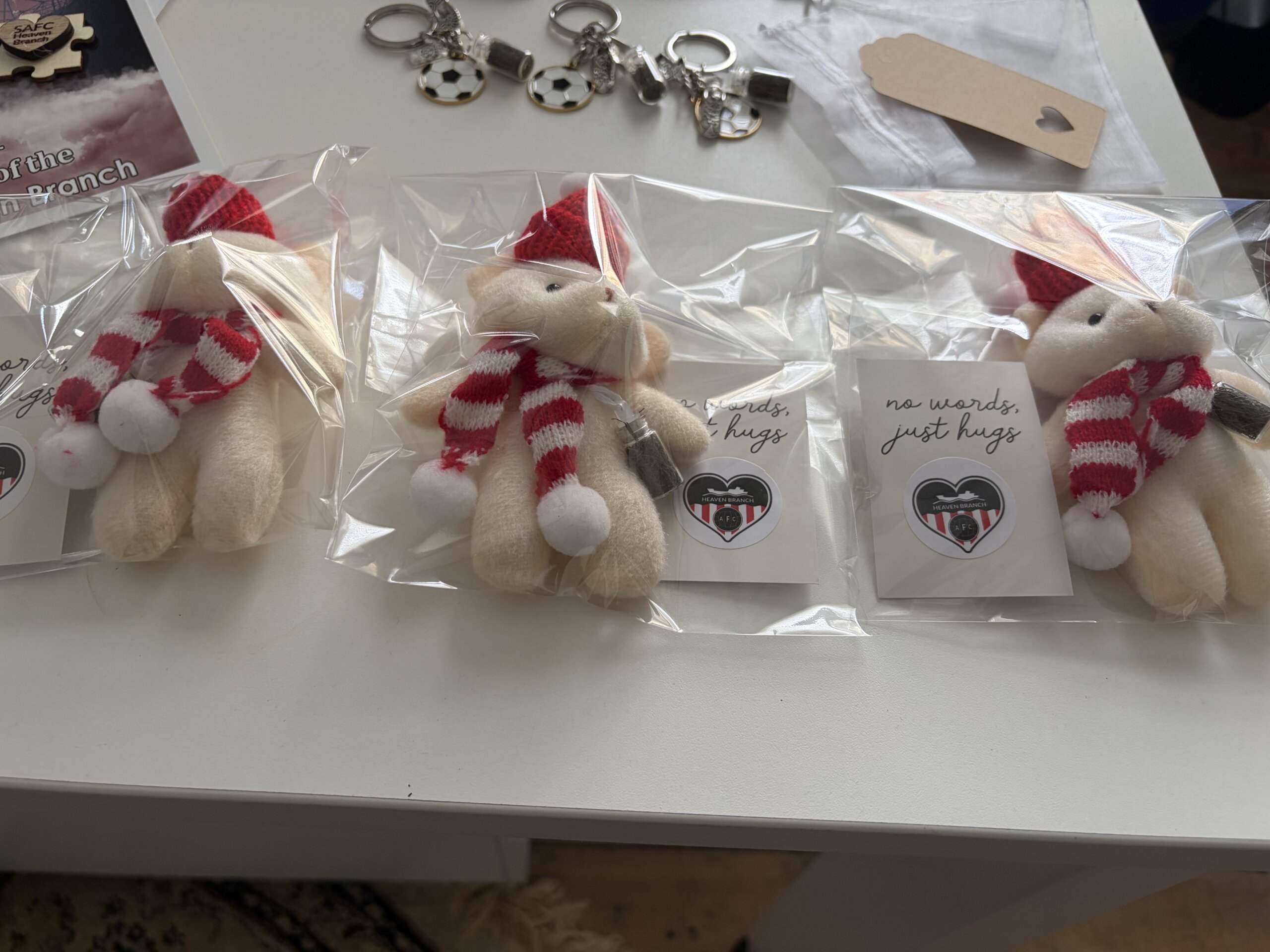
SAFC Heaven Branch co-founder, Joanne Youngson, said: “We very quickly realised that although there was peer support there, people were really grieving and seriously struggling.
We started using all the funds that we have and we put in for a national lottery grant, which we got, and we used that to bring in counsellors. At every activity we have someone there as a backup.
We now have a daytime bereavement group and an evening bereavement group monthly, as well as one-to-one counselling.
“What we have also found more recently is that if someone has lost someone they went to the match with, Saturday’s are a pretty crappy time for people, they’re lost, they don’t know what to do, people don’t want to go back to the stadium.
“We now have a listening ear service that happens on a Saturday, and you can go there.”
For those who struggle to continue going to the match after the loss of their matchday partner, following from afar through the radio might be their choice of action.
Nick Barnes has been commentating on Sunderland since 2003, he said: “Not long ago I was approached by a fan who said he’d been unable to get to matches because of his mental health but listening to us talking about mental health issues on the radio gave him the strength to return to the Stadium of Light.
“He is not alone I’ve since spoken to a number of fans for whom listening to us on the radio is crucial to their wellbeing and their support of the football club.”
Sunderland AFC has recently engaged with fans in relation to mental health, replacing the famous black cats on the club shop with black dogs, a symbol widely associated with the struggle many face with their mental health.
The club didn’t announce why it was happening, leaving fans to talk to each other – just like they should if they’re going through a difficult time – in speculation, which is exactly what the club hoped to achieve. 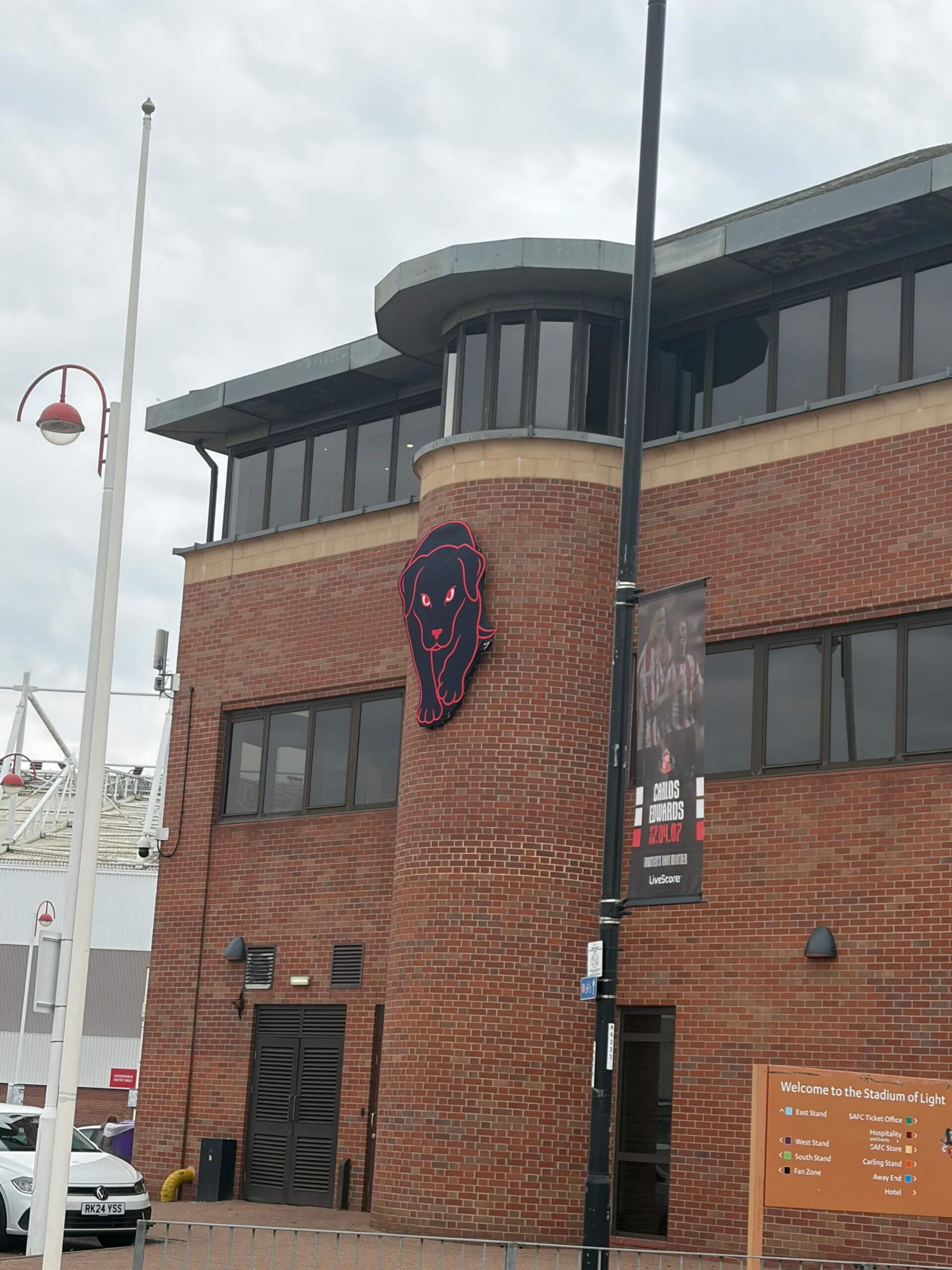
No one should ever have to deal with depression, anxiety or grief alone. Sunderland’s sense of community and belonging is helping combat those issues headfirst.
Football is woven into everyday life in Sunderland, so the importance of incorporating support networks is paramount to the mental wellbeing of those who make the city what it is.
Someone reading this will need these support networks, whether that be now or years in the future. You can never really prepare for the grieving process, everyone grieves differently, but knowing where the support is for when you need it will undoubtedly make a huge difference.
‘Sunderland Til I Die’ is the phrase, but in reality, the effects of Sunderland and its people last way beyond death.